
High Velocity Oxygen Fuel (HVOF)
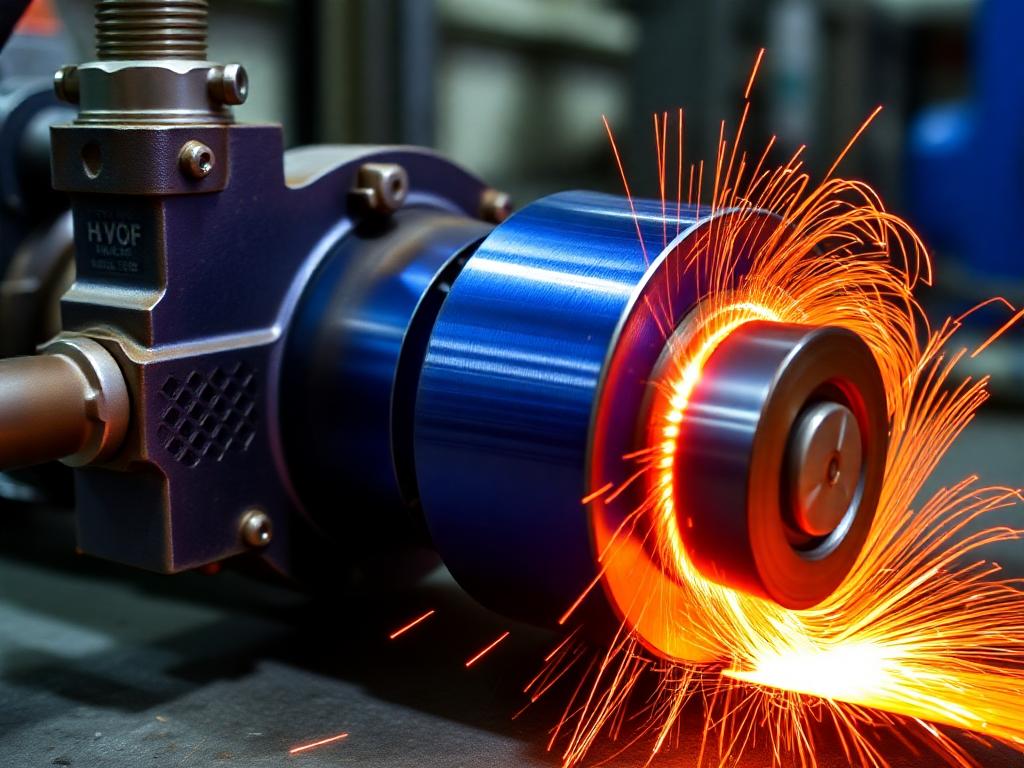
Superior coatings for wear and corrosion resistance.
The High Velocity Oxygen Fuel (HVOF) process is an advanced thermal spray technique used to apply dense and durable coatings to various substrates. Here’s a concise overview of the process:
Combustion Chamber: HVOF begins with the mixing of fuel (liquid or gas) and oxygen in a combustion chamber. Common fuels include kerosene, hydrogen, and natural gas.
Ignition and Expansion: The mixture is ignited, creating a high-temperature gas that expands rapidly. This gas is expelled through a converging-diverging nozzle, achieving supersonic speeds (over 2,000 m/s).
Powder Injection: Powdered coating materials are injected into the high-velocity gas stream. The particles are accelerated to approximately 700 m/s and partially melted during their flight.
Coating Application: The high-speed jet of hot gas and powder is directed at the substrate. Upon impact, the particles deform and bond to the surface, forming a dense, uniform coating with low porosity and high adhesion.
Material Versatility: HVOF can apply a wide range of materials, including tungsten carbide, cobalt alloys, and nickel-based alloys, making it suitable for various industrial applications.
Key Benefits of HVOF
- High Coating Density: Results in improved wear and corrosion resistance.
- Reduced Oxidation: Lower exposure time to oxygen minimizes oxidation of the coating material.
- Versatile Applications: Ideal for components in aerospace, energy, and manufacturing industries, particularly in high-wear and corrosive environments.
Common Applications
- Turbine Blades: Enhancing durability in high-temperature environments.
- Bearings: Improving wear resistance and extending service life.
- Industrial Machinery: Coating components subjected to abrasive conditions.
HVOF is recognized for its ability to produce high-quality coatings that significantly enhance the performance and longevity of industrial components.
ARC Spray
Advanced thermal spraying for diverse applications.
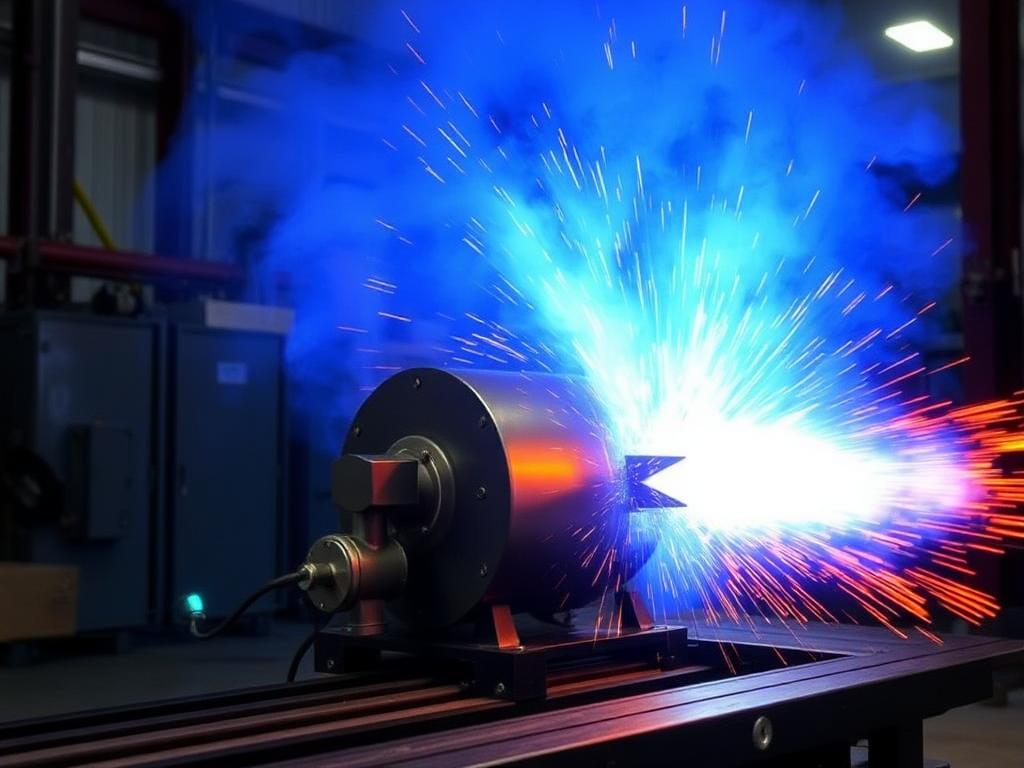
The Arc Spray process is a thermal spraying technique that utilizes an electric arc to melt metal wires, which are then atomized and propelled onto a substrate to form a coating. Here’s a detailed overview of the process:
Material Versatility: Arc spray can utilize a variety of materials, including metals and alloys, making it suitable for different applications.
Wire Feed: Two metal wires (typically made of aluminum, zinc, or other alloys) are fed into a spray gun. These wires serve as the coating material.
Electric Arc Generation: An electric arc is created between the two wires as they are brought together at their tips. The heat generated by the arc melts the wire tips.
Atomization: Compressed air is used to atomize the molten metal. This air stream propels the molten droplets toward the substrate at high velocity.
Coating Application: The molten droplets impact the substrate surface, solidifying upon contact. This process builds up a coating layer that adheres well to the substrate.
Key Benefits of ARC Spray
- Cost-Effective: The process is generally more economical compared to other thermal spray methods.
- High Deposition Rate: ARC spray can achieve a high coating thickness in a relatively short time.
- Good Adhesion: The mechanical bonding of the coating to the substrate is strong, providing durability.
Common Applications
- Corrosion Protection: Often used to protect steel structures, pipelines, and marine components from corrosion.
- Wear Resistance: Coatings can enhance the wear resistance of machinery parts and tools.
- Thermal Barrier Coatings: Used in applications where thermal insulation is required.
The ARC Spray process is a versatile and efficient method for applying protective coatings to various substrates, enhancing their performance and longevity in demanding environments. It is widely used in industries such as construction, manufacturing, and marine applications.
Plasma Spray
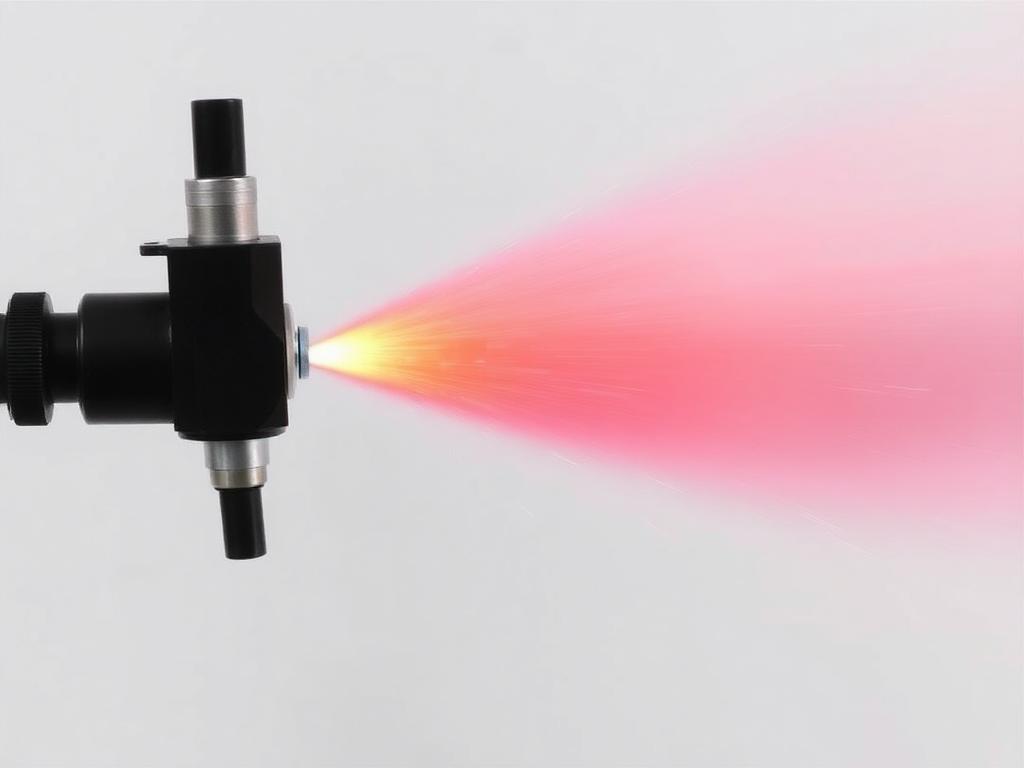
Plasma spraying is a thermal spray coating process that utilizes a high-temperature plasma jet to melt and propel coating materials onto a substrate. This method is widely used in various industries due to its ability to produce high-quality coatings with excellent adhesion and durability. Here’s a detailed breakdown of the plasma spray process:
1. Plasma Generation
- Plasma Gun: The process begins with a plasma gun that generates a plasma jet.
- Gas Mixture: A working gas, typically a mixture of argon and hydrogen, is passed through an electric arc formed between a cathode and anode.
- High Temperature: The electric arc heats the gas to extremely high temperatures (up to 14,000 K), converting it into plasma.
2. Powder Injection
- Feedstock Material: Fine powder particles (20-90 micrometers) of the coating material are injected into the plasma jet.
- Melting: The intense heat of the plasma rapidly melts the powder particles, transforming them into molten droplets.
3. Coating Application
- High Velocity: The molten droplets are propelled at high speeds (up to 800 m/s) toward the substrate.
- Impact and Solidification: Upon impact, the droplets flatten and solidify, forming a coating layer. This process creates a series of overlapping splats that build up the coating thickness.
4. Cooling and Bonding
- Cooling Process: As the droplets cool, they solidify and bond to the substrate, creating a strong mechanical bond.
- Surface Preparation: Proper surface preparation of the substrate (cleaning and roughening) is crucial for achieving good adhesion.
5. Process Control
- Parameters: Key parameters such as spray distance, angle, and traverse speed are controlled to ensure uniform coating thickness and quality.
- Quality Assurance: Inspections and testing are performed at various stages to ensure compliance with industry standards.
Applications of Plasma Spray Coating
- Aerospace: Thermal barrier coatings for turbine engines.
- Medical: Biocompatible coatings for implants.
- Automotive: Coatings for engine components to enhance durability.
- Energy: Coatings for solar panels and turbine combustion chambers.
Benefits of Plasma Spray Coating
- Durability: Enhances the lifespan of components by providing wear and corrosion resistance.
- Versatility: Can be applied to a wide range of materials, including metals and ceramics.
- Customization: Allows for precise control over coating thickness and composition.
High-performance coatings for specialized industrial needs.
Flame Spray
Economical and versatile coating solutions
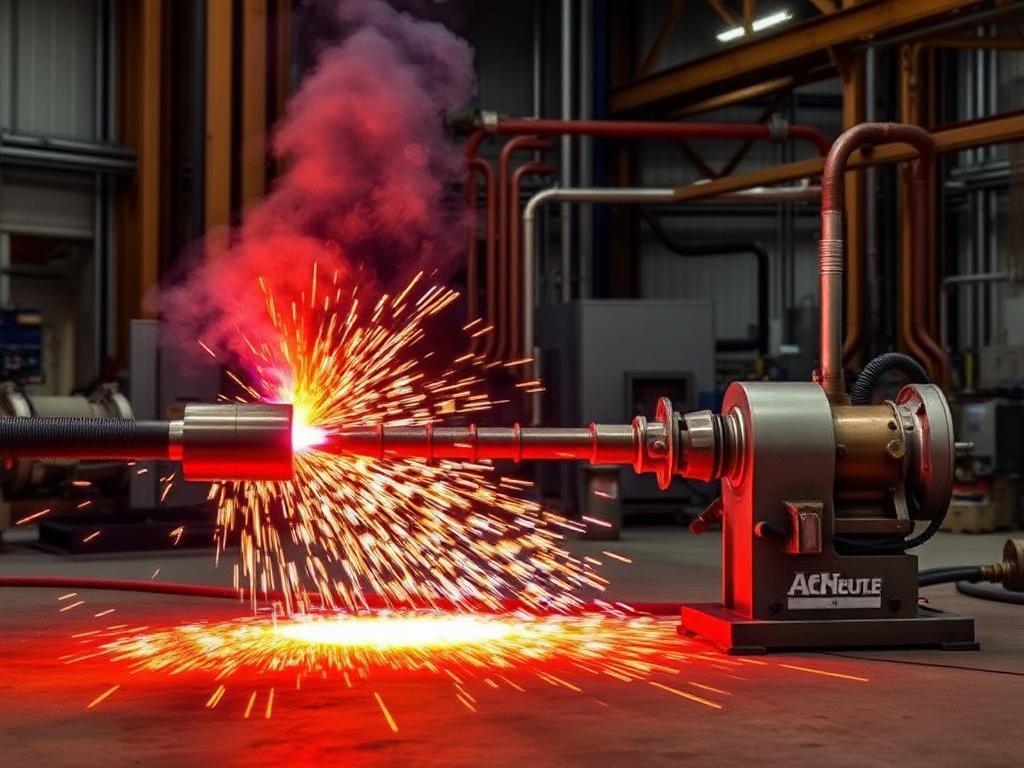
The Flame Spray Process is a thermal spray coating technique that utilizes a flame to melt and propel coating materials onto a substrate. This method is widely used for applying protective coatings to enhance the surface properties of various components. Here’s a detailed overview of the flame spray process:
1. Flame Generation
- Fuel and Oxygen Mixture: The process begins with the combustion of a fuel gas (such as acetylene or propane) mixed with oxygen to create a high-temperature flame.
- Flame Temperature: The flame can reach temperatures of around 3,200 °C (5,792 °F), which is sufficient to melt most coating materials.
2. Powder or Wire Feedstock
- Material Selection: Coating materials can be in the form of powder or wire, depending on the specific requirements of the application.
- Feeding Mechanism: The feedstock is introduced into the flame, where it is melted by the heat generated.
3. Coating Application
- Propulsion: The molten particles are propelled by the force of the flame onto the substrate surface.
- Layer Formation: Upon impact, the particles flatten and solidify, forming a coating layer that adheres to the substrate.
4. Cooling and Bonding
- Solidification: As the molten particles cool, they solidify and bond to the substrate, creating a strong mechanical bond.
- Surface Preparation: Proper surface preparation is essential to ensure optimal adhesion and coating performance.
Key Benefits of Flame Spray Process
- Versatility: Can be used with a wide range of materials, including metals, ceramics, and polymers.
- Cost-Effective: Generally more economical compared to other thermal spray methods.
- Good Adhesion: The mechanical bonding of the coating to the substrate is strong, providing durability.
Common Applications
- Corrosion Protection: Widely used to protect steel structures, pipelines, and marine components from corrosion.
- Wear Resistance: Enhances the wear resistance of machinery parts and tools.
- Thermal Barrier Coatings: Used in applications where thermal insulation is required.
- Automotive and Aerospace: Coatings for components subjected to high wear and thermal stress.
The flame spray process is a versatile and effective method for applying protective coatings to various substrates. Its ability to produce high-quality coatings makes it a popular choice in industries such as manufacturing, automotive, and aerospace.
Grinding & Lapping
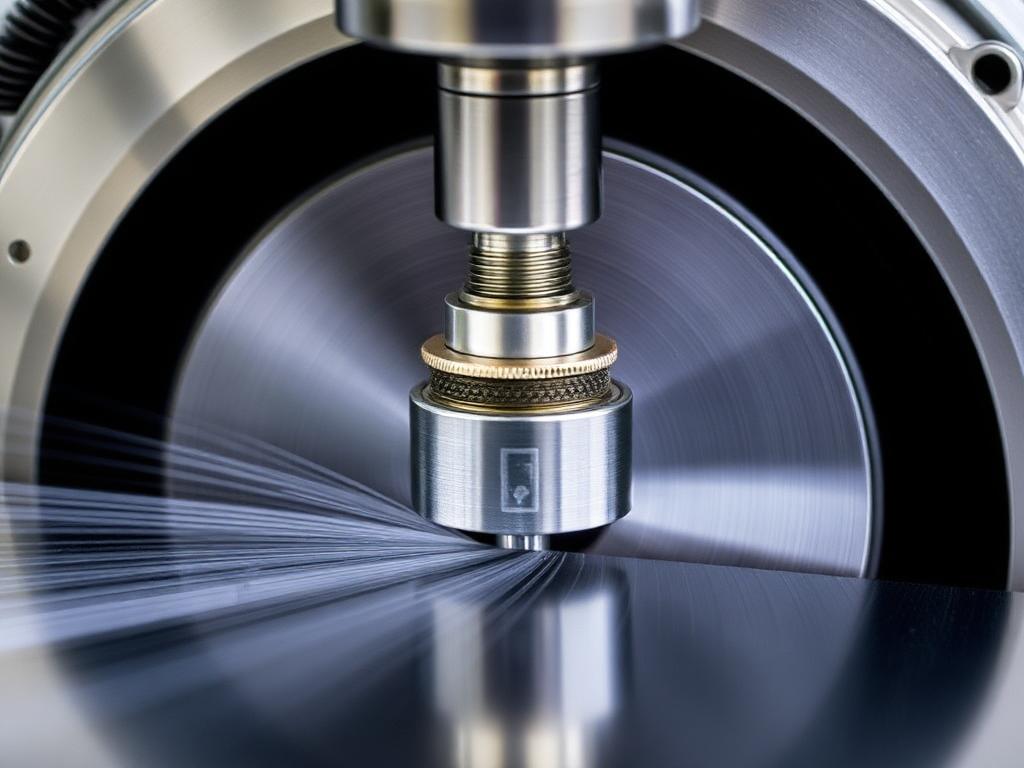
Precision finishing for perfect surface geometry.
Grinding and Lapping are essential processes in precision finishing that ensure perfect surface geometry and enhance the performance of components. Here’s an overview of both processes:
1. Grinding
- Definition: Grinding is a machining process that uses an abrasive wheel to remove material from a workpiece, achieving a high degree of accuracy and surface finish.
- Types of Grinding:
- Surface Grinding: Used to produce flat surfaces.
- Cylindrical Grinding: Used for cylindrical parts.
- Internal Grinding: For internal surfaces of holes.
- Applications: Commonly used in manufacturing to achieve tight tolerances and smooth finishes on metal parts, tools, and components.
2. Lapping
- Definition: Lapping is a finishing process that involves the use of a soft abrasive slurry and a lap (a flat or cylindrical tool) to achieve a very fine surface finish.
- Process:
- Abrasive Slurry: A mixture of abrasive particles and a liquid is applied to the lap.
- Material Removal: The workpiece is pressed against the lap and moved in a circular or figure-eight motion, allowing the abrasive to wear down the surface.
- Applications: Ideal for achieving extremely flat surfaces, often used in optical components, semiconductor manufacturing, and precision mechanical parts.
Key Benefits
- Precision: Both processes allow for high precision and control over surface geometry.
- Surface Finish: They can achieve superior surface finishes that are often required in high-performance applications.
- Versatility: Suitable for a wide range of materials, including metals, ceramics, and composites.
Grinding and lapping are critical processes in the manufacturing industry, providing the necessary precision and surface quality for various applications.
Ball Valve Coating
Enhanced durability and performance for valves.
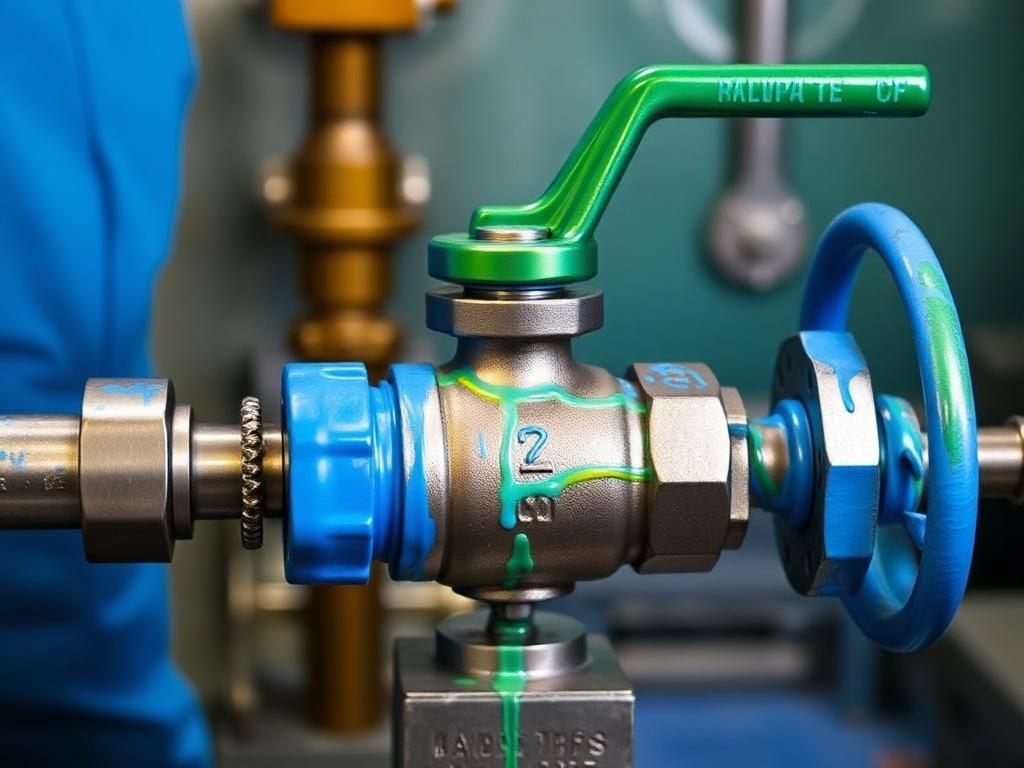
Ball valves are commonly coated to enhance their performance, durability, and resistance to corrosion. The coating process typically involves the following steps:
Surface Preparation:
- Cleaning: The ball valve surface is thoroughly cleaned to remove any dirt, grease, or contaminants that could interfere with the coating adhesion. This may involve methods like solvent cleaning, abrasive blasting, or chemical etching.
- Roughening: The surface may be roughened to improve the mechanical bond between the coating and the substrate. This can be achieved through abrasive blasting or other techniques.
Coating Application:
- Powder Coating: Powder coating involves spraying a dry powder onto the valve surface. The powder is then cured in an oven, where it melts and forms a uniform coating.
- Electroplating: This process involves immersing the valve in an electrolyte solution and applying an electric current. This causes metal ions to deposit onto the valve surface, forming a thin, protective coating.
- Thermal Spraying: In this process, a coating material is heated to a high temperature and sprayed onto the valve surface using a high-velocity jet of gas.
- Other Methods: Other coating methods may include chemical vapor deposition, physical vapor deposition, and electro-less nickel plating.
Curing or Drying:
- After the coating is applied, it may need to be cured or dried to ensure proper adhesion and hardness. This can be done in an oven or by exposure to ambient air.
Common Coating Materials:
- Epoxy: Offers excellent corrosion resistance and chemical resistance.
- Polyester: Provides good color retention and UV resistance.
- Fluoropolymers: Offers high chemical resistance and low friction.
- Metal Coatings: Such as nickel, chrome, or zinc, provide corrosion protection and improve wear resistance.
Benefits of Coating Ball Valves:
- Corrosion Resistance: Protects the valve from corrosive environments, extending its lifespan.
- Wear Resistance: Improves the durability of the valve, especially in high-wear applications.
- Chemical Resistance: Prevents damage from harsh chemicals.
- Improved Appearance: Provides a more aesthetically pleasing finish.
- Reduced Friction: Can improve valve operation and reduce maintenance.
Ball valve coating process applies protective layers (e.g., epoxy, metal) to enhance corrosion resistance, wear resistance, and overall durability.